
Precision Underground Program

Keeping your homes and businesses powered

Dependable power is essential for productivity, comfort and everyday life. LES continuously strives to provide our customers reliable electricity and resiliency.

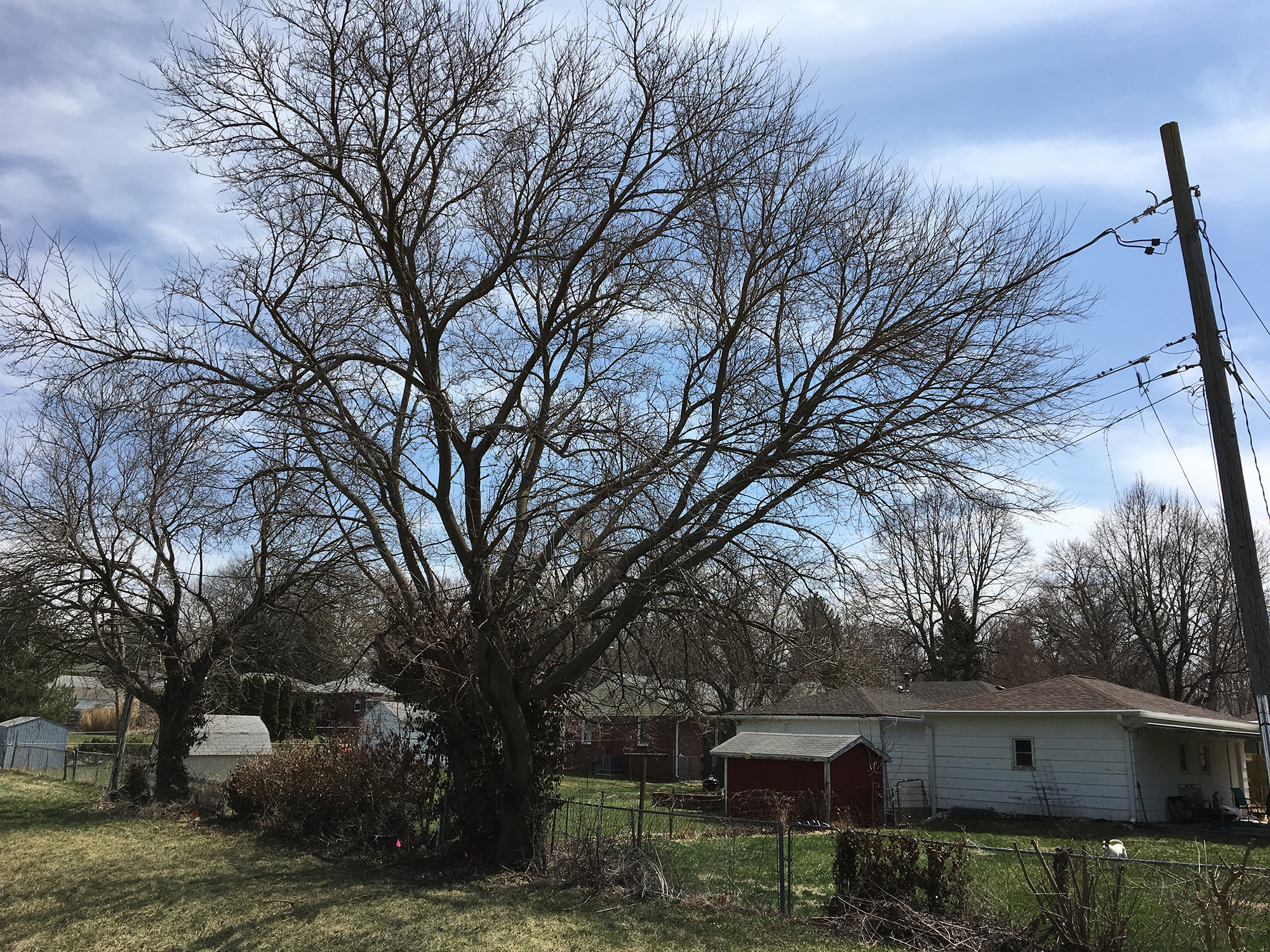
The Precision Underground Program (PUP) is a data-driven method of identifying neighborhoods with overhead power lines that are most prone to outages and converts those power lines to underground. Burying these lines improves power resiliency during storms by reducing the impacts of wind and trees. It also builds upon our reliability by minimizing the number of repairs needed during outage events. Finally, maintenance costs are reduced by removing the need to trim trees around overhead lines. 

Neighborhoods located within PUP projects may see power lines in the area converted to underground. Eligible properties may have their service line, or the line that provides power to homes and businesses, also buried. How will this help reliability? This video demonstrates the impact of storms on overhead lines.
Program details

Using multiple years of outage data, LES analyzes the performance of overhead power lines to find the specific line segments at highest risk for future outages. These line segments are selected as candidates for PUP projects.

Unlike traditional capital projects, PUP project areas are often small, sometimes limited to only a few blocks. The project team will communicate with landowners in the project area to explain the program and how the work may impact each property, including electricity routes, possible easements and property restoration. Construction will be scheduled once all impacted landowners have agreed to the project.

transmission lines
Benefits

Converting power lines at high risk for overhead-related outages to underground will reduce the number of outages in those areas.

Crews can redirect their efforts to other power lines following storms, resulting in faster restoration times for all customers.

Tree trimming around power lines will no longer be needed if lines are converted to underground.

If all telecommunication utilities attached to poles agree to move their lines underground along with LES, some power poles may be removed, improving aesthetics.

Challenges

Construction often creates a temporary inconvenience for landowners. LES recognizes this and takes every opportunity to minimize disruption while safely completing its work. LES also ensures restoration of yards after construction is complete.

It may not be possible to move power lines underground in this program if LES cannot establish routes for the underground cable path and at-grade equipment locations on privately owned property. To install underground power lines, LES will need these established routes for placement of underground cables and any at-grade equipment for access, construction, inspection and maintenance.

LES will work with all telecommunication utilities in the area to consider burying their lines at the same time as our installation. While it’s ideal for all utilities to simultaneously move underground, each utility is responsible for moving its own lines. When LES power lines are converted to underground, but the telecommunication utilities' lines are not, the poles may remain in place. If all utilities attached to a pole are converted to underground, the pole will be removed. If telecommunication lines are also converted to underground, they may need to install their own separate at-grade equipment within the project area on privately owned property.  

Moving power lines underground will likely reduce outages; however, power outages may still occur. Underground power lines can experience outages if lines are cut during digging or construction projects, or if cables fail over time. Underground power lines are still part of the electric grid and may connect to other overhead power lines that are exposed to weather, trees, animals and vehicle accidents.

Frequently asked questions
How do you decide which power lines get buried with your program?

We analyze multiple years of outage data to decide which overhead power line segments throughout our service area have had long or frequent outages that have accumulated the most repair time. As potential projects are identified, an LES project team will begin a comprehensive process to work cooperatively with landowners on a plan to underground portions of a line.

What types of power lines will be replaced through this program?

The PUP will focus on power distribution line segments within neighborhoods. The line segments selected will be based on outage data, such as which line segments have encountered long outages and accumulated the most repair time.

What is the cost to customers?

There are no direct construction costs for customers who are part of a PUP project. The project is funded by LES and is therefore included in our capital budget for infrastructure improvements. As a not-for-profit, locally owned public power utility, all budget items are paid for by LES customers through our normal customer rates.

Will this work be done by LES employees or contractors?

LES reserves the right to decide whether to use LES crews or contractors on a project-by-project basis within the PUP. The LES project team is involved in all project selection, design, underground route and communication. LES often uses contractors for specific roles in a project, such as boring. Every project will have a dedicated LES point of contact who can provide details on specific projects.

If part of my neighborhood is chosen for undergrounding, how long will construction take? How long will I be without electricity while work is in progress?

The time needed will vary depending on project specifics. In many cases, PUP projects will be smaller than traditional construction projects, sometimes only covering a few blocks. Landowners will be advised of anticipated project timelines when a project is planned. 

Crews will work to minimize planned outages associated with the work. All impacted properties will be notified in advance of a scheduled outage.

Will there still be outages in the future?

LES is a national leader in reliability; however, outages can still occur. Underground power lines can experience power outages if lines are cut during digging or construction projects, or if cables fail over time. Underground power lines are still part of the electric grid and may connect to other overhead power lines that are exposed to weather, trees, animals and vehicle accidents.

What if a customer doesn't want LES to have access to his or her yard?

The PUP is intended to reduce the number of outages customers experience. LES will work cooperatively with landowners to explain the program and construction process, and to obtain the routes necessary to perform the work. If an agreement cannot be reached to obtain necessary routes on privately owned property, LES will pursue projects in other neighborhoods.

When converting to underground lines, what equipment will change?

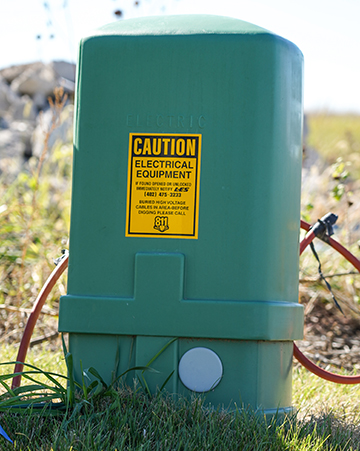
The LES project team will meet with you to discuss the proposed plan and layout. Some equipment such as pedestals and pad-mounted transformers may be needed. Examples of equipment can be found in our Fence and Landscaping Installation Guide

Underground power lines come into ground-level pedestals and pad-mounted transformers from below, where connections are kept safely inside and out of view. In many cases, pedestals may already exist near the pole and will be reused. The location of each pad-mounted transformer is ultimately determined by the electrical load calculations and route of the underground power lines, but the LES project team will coordinate with landowners on the placement of new pad-mounted transformers.

transformer
LES pad-mounted transformer
transformer
LES pedestal
What is the impact on properties?

Respecting and restoring property is our priority. We work with landowners during and after construction to minimize impact and inconvenience. No project is considered complete until your property is restored.

Will the poles be removed?

LES will work with all telecommunication utilities in the area to explore possibilities of placing their lines underground at the same time as our installation. While it is our desire for all telecommunication utilities to join us in going underground, each utility is responsible for moving its own lines. When the LES power lines are converted to underground, but the telecommunications utilities' lines are not, the poles may remain in place. If all utilities attached to a pole are converted to underground, the pole will be removed. If telecommunications lines are also converted to underground, they may need to install their own separate at-grade equipment within the project area on privately owned property.

2023 outage stats
Service reliability
99.99
%
Average outage time
19.1
minutes per customer
Average outage time
85
%
lower than the 5-year national average of 123 minutes.